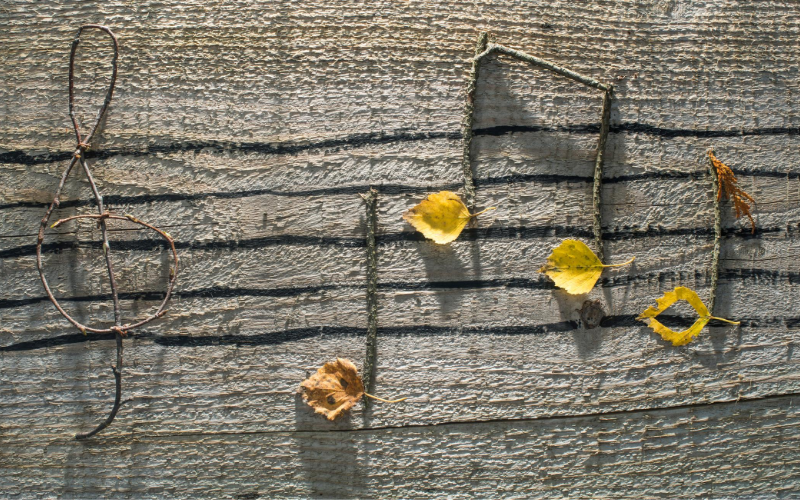
Pelicans, Dolphins & Writing Music Notes With Technical Precision

Pelicans, Dolphins & Writing Music Notes With Technical Precision

Pelicans, Dolphins & Writing Music Notes With Technical Precision

See below for a Free Printable Pack to go with the post.

That is a very unusual post title don’t you think?

What do pelicans and dolphins have to do with writing music notes? 

Well, today I thought that I should address one of the biggest problems kids face at music theory exams, when trying to write music notes with technical precision. 

They always get confused about the direction of stems, flags, beams and noteheads. 

There is a right and a wrong way to write noteheads, stems and even flags, and in this post, I’m going to cover it and make it so easy that you, even though you may not have learned any music, will be able to teach them and your kids will never be confused about stem, flag or notehead directions ever again. 

Don’t forget to download the music theory worksheet included at the bottom of this post. 

Ready?

Let’s get started, learning how to determine the direction of stems on notes. 

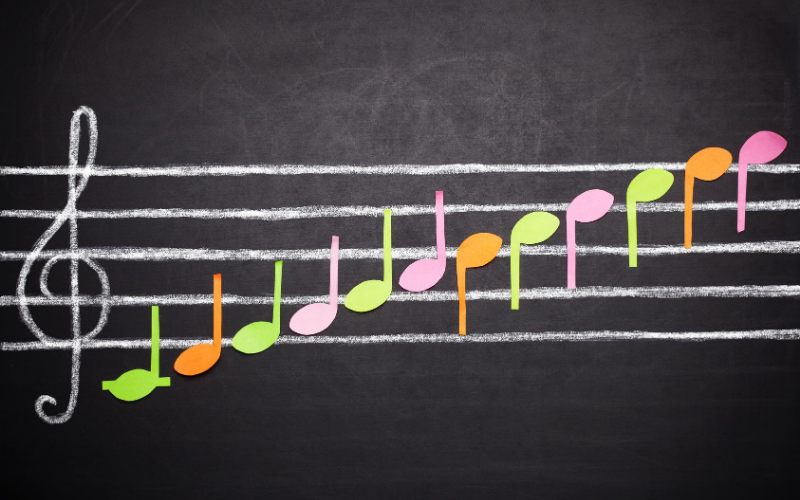
All you’ve got to remember are the words Pelicans and Dolphins when it comes to note stems


Why Pelicans?

Pelicans as you know are birds and birds fly. 

The word pelican starts with the letter ‘p’. 

Teach your kids to remember the word pelican, and the letter ‘p’ because notes written on or above third line in the staff look like the letter ‘p’. 

Their stems go down on the left side of the notehead. 

Isn’t that easy? 

They never have to be confused agin, if they remember that all notes on or above (flying in the sky) the third line have their stems going down just like the letter ‘p’ in the word pelican (a bird that flies in the sky). 


Why Dolphins?

I think you can guess this one. 

Dolphins are a type of fish that swim in the sea. 

Dolphins start with the letter ‘d’.

Every note on or below (swim in the sea) the 3rd line has its stem going up, just like the letter ‘d’.

The stem goes up on the right side of the notehead. 

Easy isn’t it?

No more confusion. 


Did you notice that noteheads on the 3rd line can be either ‘p’s or ‘d’s?

Yes, that is correct, they can have their stems going either up or down. 

What about flags then? 

The flag that is written with single eighth notes are always on the right and if the stem goes up the flag remains on the right side and goes down. 

On the other hand if the stem goes down, the flag still remains to the right side of the stem but this time it goes upward. 


Now use the music theory worksheet that I have made available and have your children learn this very important concept.

Karen Cadera

Karen Cadera

Founder/Creator

Mom, Teacher, Minimalist, Zero Waste Enthusiast, Multi Pod.

My daughter loved the games, but there were also worksheets and videos. The weekly lesson plans were complete, and I never questioned what I should be doing next.
Lisa Tanner

Homeschool Mom

Play Piano Today!

Teach your child to play piano, today.

Yes, in as little as 30 minutes I can show you how to teach your child to play the piano, for FREE.

What are you waiting for?

Download the FREE Music Theory Worksheet

Articles That Maybe Of Interest To You
8 Shocking Reasons Why Families Pay ‘Through Their Nose’ For Private Piano Lessons

8 Shocking Reasons Why Families Pay ‘Through Their Nose’ For Private Piano Lessons

8 Shocking Reasons Why Families Pay ‘Through Their Nose’ For Private Piano Lessons

Do private piano lessons for your kids, cost you an arm and a foot? Or have you been scared to enrol your kids in private piano lessons, simply because you are unsure if you can sustain the cost over many years?


If so, you are going to love this post, as I explain why private piano lessons are often so expensive. 


Short Lessons

Usually piano lessons are about 30 minutes or so per week. While it is often touted that this is because teaching for longer durations can be counter productive, it doesn’t always have to be so. 

If appropriate teaching methods are used, lessons can be made longer and costs not allowed to increase as much. 

With short lessons, the teacher’s travel (if the teacher visits your home) and other overhead costs are spread across a smaller fee, which can then be quite high. 

For instance if the teacher believes she spends about $5 on travel to your home, then her half hourly rate of $25 will increase to $30 to make up for the travel cost. On the other hand if you have an hourly lesson instead of costing $60 it will cost $55 ($25+$25+$5). 


Weekly Lessons

Taking the above point further, short weekly classes can be quite expensive, when compared to longer bi-weekly classes.


Lack of Practice

This is another reason, families end up paying so much for music lessons. 

When children don’t practice what they have learned, they cannot move ahead in lessons and continue to plateau in certain sections. 

So parents end up paying for repetition of the same material instead of having the kids learn new material. 

Thus learning can take longer and the cumulative costs can sky-rocket. 


No Additional Learning

Focusing only on private piano lessons and not supplementing the piano lessons with other lessons, also make private piano lessons very expensive. 

When parents aren’t willing to supplement routine, easy aspects of learning piano with online classes, on the contrary wanting it all covered by the private piano teacher, costs can be extremely high.


Studio Overheads

Learning at a piano studio often is very expensive, because of all the overheads the piano teacher has to pay for, which get passed on to the parents. 

Rent for piano studios, equipment that your children don’t even use and much more are counted in the overhead cost and added to the tuition, thus resulting in parents paying many costs that their kids don’t avail themselves of. 


Lessons Per Child

There is an inherent belief that the best type of piano education is the one on one piano classes. Thus, not being open to group classes or family lessons also end up costing parents quite a pretty penny. 


Material Cost

Purchasing brand new material for each child can also be very expensive.

Not Having A Clear Goal

Piano lessons without clear goals in mind can be very haphazard, and would be like you paying for a bus trip without knowing exactly where the bus is headed, and what stops will be made. 

When there is no real accountability on the part of the teacher, again families could end up paying ‘through their noses’ for private piano lessons. 


Have you been paying ‘through your nose’ for private piano lessons, and which of the above reasons has been it due to? I would really love to hear your thoughts.


Want to know more about how you can get more value from your child’s private piano lessons? Then read my post 6 ‘Sneaky’ But Awesome Ways To Get Double The Value From Private Piano Lessons.

Karen Cadera

Karen Cadera

Founder/Creator

Mom, Teacher, Minimalist, Zero Waste Enthusiast, Multi Pod.

My daughter loved the games, but there were also worksheets and videos. The weekly lesson plans were complete, and I never questioned what I should be doing next.

Lisa Tanner

Homeschool Mom

Play Piano Today!

Teach your child to play piano, today.

Yes, in as little as 30 minutes I can show you how to teach your child to play the piano, for FREE.

What are you waiting for?

Articles That Maybe Of Interest To You

12 ‘Not To Be Missed’ Musicals For Teens

facebooktwitterpinterestinstagramyoutubeSee below for a Free Printable Pack to go with the post.This post contains affiliate links. If you click a link and purchase something, I may earn a small fee from the said company/manufacturer/seller or individual, from who you...

5 ‘Super Easy’ Steps To DIY An Instrument Study Unit

5 ‘Super Easy’ Steps To DIY An Instrument Study Unit

facebooktwitterpinterestinstagramyoutubeSee below for a Free Printable Pack to go with the post.Do you know that it is not at all difficult to DIY a musical instrument study unit in your homeschool? No, you don’t need to be a fully trained music teacher to do it.  You...

3 ‘Must Know’ Methods To Teach Kids To Identify F2 And B3 On The Keyboard

3 ‘Must Know’ Methods To Teach Kids To Identify F2 And B3 On The Keyboard

3 ‘Must Know’ Methods To Teach Kids To Identify F2 And B3 On The Keyboard

See below for a Free Printable Pack to go with the post.

If you’ve taught your kids to read music notes and play the piano, you will know that the notes F2 and B3 are neither line nor space notes. 

While both these notes are important notes to know, since they don’t fall into either category it is hard to know when to introduce kids to these notes. 

In this post I will discuss three methods to introduce kids to the notes. 

You can choose either one of the three methods. 

Yes, I am partial to one of the methods over the other, but that doesn’t mean that my favourite method is better than the other two methods I have explained here. 

So, please read through the post and decide, which method you would like to try when teaching your kids to read music notes and play the piano in your homeschool. 

Don’t forget to download the music theory worksheet I have included to help reinforce the concept of F2 and B3 to your kids. 

So, if you are ready, we can get started right now. 


Method 1 – Stand Alone

Like its name, this method is ‘stand alone’, meaning you should teach both notes ‘Fearless F’ (F2) and ‘Bouncing B’ (B3) after teaching your child the Bass Clef Line and Space notes. 

With this method you will: 

First show your child the flashcard for F2

Explain that it is F2 and called ‘Fearless F’ because it hangs from the Bass Staff.

Ask your child to show F2 on the keyboard. 

You will follow the same steps and introduce B3 as well. 


Method 2 – Teach, when introducing Middle C

You can introduce both ‘Fearless F’ and ‘Bouncing B’ to your child, when teaching them Middle C. 

With this method you will: 

First show Middle C and point to F2 and B3 in relation to Middle C. Show flashcards and say F2 is called ‘Fearless F’ because the note hangs from the Bass Staff and B3 is called ‘Bouncing B’ because the note sits on the Bass Staff. 


Method 3 – Introduce F2 with Bass Clef Line Notes and B3 with Bass Clef Space Notes

This is by far my favourite method. However, please remember that methods 1 and 2 are equally good. 

With this method you will:

Teach the Bass Clef line notes and introduce them to F2, by showing them the flashcard, telling them that it is called ‘Fearless F’ because it hangs from the Bass Staff and then show them the note on the keyboard. 

Teach the Bass Clef space notes and introduce them to B3, by showing them the flashcard, telling them that it is called ‘Bouncing B’ because it sits on the Bass Staff and then showing them the note on the keyboard. 


Would you like to implement Method 2 but still haven’t introduced your kids to Middle C? Then read my post 3 Absolutely Important Facts To Know About Middle C.

Want to use Method 3? In that case, you will have to first read and implement 5 ‘Shockingly Easy’ Steps To Teach Bass Clef Line Notes, and 5 ‘Ridiculously Simple’ Steps To Teach Bass Clef Space Notes. 

Either way don’t forget to download the music theory worksheet I have made available with this post.

What is your favourite method?

Comment below and let me know.  

Karen Cadera

Karen Cadera

Founder/Creator

Mom, Teacher, Minimalist, Zero Waste Enthusiast, Multi Pod.

My daughter loved the games, but there were also worksheets and videos. The weekly lesson plans were complete, and I never questioned what I should be doing next.

Lisa Tanner

Homeschool Mom

Play Piano Today!

Teach your child to play piano, today.

Yes, in as little as 30 minutes I can show you how to teach your child to play the piano, for FREE.

What are you waiting for?

Download the FREE Music Theory Worksheet

Articles That Maybe Of Interest To You

3 ‘Must Know’ Methods To Teach Kids To Identify D4 And G5 On The Piano Keyboard

3 ‘Must Know’ Methods To Teach Kids To Identify D4 And G5 On The Piano Keyboard

3 ‘Must Know’ Methods To Teach Kids To Identify D4 And G5 On The Piano Keyboard

See below for a Free Printable Pack to go with the post.

If you’ve taught your kids to read music notes and play the piano, you will know that the notes D4 and G5 are neither line nor space notes. 

While both these notes are important notes to know, since they don’t fall into either category it is hard to know when to introduce kids to these notes. 

In this post I will discuss three methods to introduce kids to the notes. 

You can choose either one of the three methods. 

Yes, I am partial to one of the methods over the other, but that doesn’t mean that my favourite method is better than the other two methods I have explained here. 

So, please read through the post and decide, which method you would like to try when teaching your kids to read music notes and play the piano in your homeschool. 

Don’t forget to download the music theory worksheet I have included to help reinforce the concept of D4 and G5 to your kids. 

So, if you are ready, we can get started right now. 


Method 1 – Stand Alone

Like its name, this method is ‘stand alone’, meaning you should teach both notes ‘Dangerous D’ (D4) and ‘Giggling G’ (G5) after teaching your child the Treble Line and Space notes. 

With this method you will: 

First show your child the flashcard for D4

Explain that it is D4 and called ‘Dangerous D’ because it hangs from the Treble Staff.

Ask your child to show D4 on the keyboard. 

You will follow the same steps and introduce G5 as well. 


Method 2 – Teach, when introducing Middle C

You can introduce both ‘Dangerous D’ and ‘Giggling G’ to your child, when teaching them Middle C. 

With this method you will: 

First show Middle C and point to D4 and G5 in relation to Middle C. Show flashcards and say D4 is called ‘Dangerous D’ because the note hangs from the Treble Staff and G5 is called ‘Giggling G’ because the note sits on the Treble Staff. 


Method 3 – Introduce D4 with Treble Clef Line Notes and G5 with Treble Clef Space Notes

This is by far my favourite method. However, please remember that methods 1 and 2 are equally good. 

With this method you will:

Teach the Treble Clef line notes and introduce them to D4, by showing them the flashcard, telling them that it is called ‘Dangerous D’ because it hangs from the Treble Staff and then show them the note on the keyboard. 

Teach the Treble Clef space notes and introduce them to G5, by showing them the flashcard, telling them that it is called ‘Giggling G’ because it sits on the Treble Staff and then showing them the note on the keyboard. 


Would you like to implement Method 2 but still haven’t introduced your kids to Middle C? Then read my post 3 Absolutely Important Facts To Know About Middle C.

Want to use Method 3? In that case, you will have to first read and implement 5 ‘Incredibly Easy’ Steps To Teach Treble Clef Line Notes, and 5 ‘Ridiculously Easy’ Steps To Teach Treble Clef Space Notes. 

Either way don’t forget to download the music theory worksheet I have made available with this post.

What is your favourite method?

Comment below and let me know.  

Karen Cadera

Karen Cadera

Founder/Creator

Mom, Teacher, Minimalist, Zero Waste Enthusiast, Multi Pod.

My daughter loved the games, but there were also worksheets and videos. The weekly lesson plans were complete, and I never questioned what I should be doing next.

Lisa Tanner

Homeschool Mom

Play Piano Today!

Teach your child to play piano, today.

Yes, in as little as 30 minutes I can show you how to teach your child to play the piano, for FREE.

What are you waiting for?

Download the FREE Music Theory Worksheet

Articles That Maybe Of Interest To You

11 Amazingly Simple Ways To Have Affordable Private Music Lessons For The Entire Family

11 Amazingly Simple Ways To Have Affordable Private Music Lessons For The Entire Family

11 Amazingly Simple Ways To Have Affordable Private Music Lessons For The Entire Family

One of the biggest concerns I hear from parents with multiple children wanting to learn music, is that they simply cannot afford the cost and therefore, have to make really hard decisions. 

They either do not provide piano lessons for any of the kids in order to be fair, or they just pick and choose one or two kids at the expense of the others. 

None of these decisions are made lightly by any parent, and I think it can be really heart breaking and unfair. 

So in this post I decided to address this issue by giving you some really innovative, yet easy to implement ideas to make private music lessons for a large family more affordable. 


Here they are.


Focus On One Instrument

Yes, this is a big one. instead of having each child learn a different instrument, try to have all kids learn one instrument, like the piano or the guitar.

This has multiple advantages, like being able to have one music teacher for all the kids, and having to only invest in one instrument (thus giving you the opportunity to save on the cost while also being able to invest in a higher quality instrument). 

Also being able to share materials like music books etc, thus reducing the cost again. 


Get A Head Start With Online Music Lessons

This is very important. 

As you know, online music lessons can be very inexpensive when compared to private one on one music lessons. 

So why not get a head start with online music lessons first, learn the basics and then move on to private one on one lessons. 

For instance learning to read music notes and play the piano can take you up to six months in some cases, and even with all that, kids may still not be sure how to read music notes accurately, so why not take my Read Music Notes and Play Piano in 5 Days course (this course is absolutely FREE) first and then move on to private piano lessons?

With online courses, often you just make a one time payment and the entire family can learn at once or at different times, can you imagine the culminating savings you will be making with such a strategy?

Want to know other music courses your kids can try out to get a head start with other instruments? Read my post on 5 Best Elementary Music Courses For Kids. 


Buy Second Hand Instruments

Yes, this is another big one. 

Instead of buying brand new instruments for your children, why not buy them second hand or rent them, or source them for free? 

Don’t know how to source them for free? Or where to rent them? Then read the following posts and find out, 9 ‘No Fail’ Ways To Fill Your Homeschool With Musical Instruments, and Desperate To Learn To Piano, But No Piano/Keyboard At Home?

Buying second hand instruments also have the added advantage of letting you sell the instruments at approximately the same price that you purchased it for, if your kids change their minds and don’t want to learn that specific instrument anymore. 


Share Materials

Having kids share the same materials and resources, can also be a huge cost saver. 

Another idea is to have younger kids, use the same books that were used by the older kids, again saving you a ton in terms of costs.


Ask For Family Discount

If you can have one teacher or you go to one specific music studio, then ask for a family discount because you have multiple children working with the same teacher or learning from the same studio. 

Also scheduling all the music classes together on the same day can work out to a significant cost saving for you, if you transport the kids to and from music lessons. 

On the other hand, if your music teacher visits you at home, scheduling all the kids back to back will help the music teacher save on transportation costs, which he/she can then pass along to you. 


Have Older Kids Help Younger Kids

Sometimes, having older kids who learn music, teach their siblings at the start can be a very good idea. 

This will help the older siblings to retain what they learn and help you save on music class costs. 

However, things to keep in mind are, the older siblings should be proficient and actually know what they are teaching the younger sibling, they should also be patient and willing and be forced into it. 


Practice, Practice, Practice

This goes without saying. 

Children who don’t practice piano or any musical instrument regularly, take a much longer time to master the instrument and thereby increase the overall cost of music lessons over a lifetime. 

On the other hand, kids who practice are able to move ahead with lessons faster and master the instrument sooner, so it goes without saying that practice is ultra important. 

Do your kids hate practice? Read these posts, and learn how you can have them begging for more. 

9 ‘No Fail’ Tricks For Happy Practice With Multiple Ages, 

3 ‘Absolute Must Know’ Tricks To Have Your Kids Begging For More Piano Practice, 

5 ‘No Fail’ Ways To Make Piano Practice Fun.


Supplement Learning With Online Courses

Besides being a great primer, online courses can also be a fantastic supplement to ongoing music lessons. Why not check out my 1 year Homeschool Piano Curriculum and have your kids use it concurrently with their existing piano lessons, so they get ahead faster? 

With my course your children will not only learn to sight read music notes, they will also learn composition, music theory, history of music, develop their musical ear and learn rhythm and beat, all while expanding their repertoire of songs. 


Group Classes

Instead of insisting on one on one music lessons, look for group options where two or more kids can learn together. 

Pairing up the kids will help you reduce the cost, because the time spent by the teacher can be reduced. 

If you don’t have kids that can be easily grouped together or paired up, look for kids in the neighbourhood, or homeschool co-op or the local church group, who may be a good fit with your child/children for group classes. 


Double Up On Time

This is another great way to reduce the cost of music lessons for your children. 

Instead of having one 30 minute session per week, why not have a 45 minute session bi-weekly. Thus instead of paying $30 weekly you will only pay $45 bi-weekly.

Now, your question may be, will that be sufficient? 

Won’t my child/children miss out and fall back if they have bi-weekly classes, instead of weekly classes?

Not necessarily. Weekly classes or bi-weekly are very arbitrary in nature. If your children practice what they learn, then there is no reason why they can’t gain as much from bi-weekly classes when compared to weekly classes, while also saving you a ton of money. 


Barter Your Services

Now, with this one you have to be quite creative. 

Maybe you can barter some of your services, like babysitting or house cleaning or accounting and bookkeeping or even tutoring the music teacher’s kids, in exchange for him/her teaching your kids music. 


So what do you think? I would love to know if you have other ideas on how you can reduce the cost of music lessons for your family and which one of these ideas you are hoping to implement. 

Karen Cadera

Karen Cadera

Founder/Creator

Mom, Teacher, Minimalist, Zero Waste Enthusiast, Multi Pod.

My daughter loved the games, but there were also worksheets and videos. The weekly lesson plans were complete, and I never questioned what I should be doing next.

Lisa Tanner

Homeschool Mom

Play Piano Today!

Teach your child to play piano, today.

Yes, in as little as 30 minutes I can show you how to teach your child to play the piano, for FREE.

What are you waiting for?

Articles That Maybe Of Interest To You

12 ‘Not To Be Missed’ Musicals For Teens

facebooktwitterpinterestinstagramyoutubeSee below for a Free Printable Pack to go with the post.This post contains affiliate links. If you click a link and purchase something, I may earn a small fee from the said company/manufacturer/seller or individual, from who you...

5 ‘Super Easy’ Steps To DIY An Instrument Study Unit

5 ‘Super Easy’ Steps To DIY An Instrument Study Unit

facebooktwitterpinterestinstagramyoutubeSee below for a Free Printable Pack to go with the post.Do you know that it is not at all difficult to DIY a musical instrument study unit in your homeschool? No, you don’t need to be a fully trained music teacher to do it.  You...

The Number One Reason You Should NOT Buy Musical Instruments

The Number One Reason You Should NOT Buy Musical Instruments

The Number One Reason You Should NOT Buy Musical Instruments

The first thing parents do when they sign their kids up for music lessons is to purchase a new musical instrument. 

While this may seem like the most logical thing to do, I’m here to say that no it isn’t. 

Yes, I can hear the screams out there saying that I’m crazy, but really, hear me out with an open mind and let me tell you why I think the first thing you should be doing is NOT buying a musical instrument.

Before I start, let me also tell you that the Number One reasons is actually many huge reasons combined together. 

So let’s start


Expensive 

Ok. so this one is a no brainer, but it is not the only reason. 

For instance if you buy a piano it can be very expensive, but whereas if your child is only learning to play the recorder, and you buy a recorder, it is not very expensive and therefore, expense alone is not the only reason, but it is a huge one. 

So what are the other reasons?


Guilt Ridden

Yes, this is a big one. When you purchase a new instrument, you almost always will take your child on a guilt trip. 

Not only have I been taken on a guilt trip by my parents on many occasions as a child, but I have done the same to my kids inadvertently, even when I have consciously not wanted to do so. 

Also when we purchase a new instrument and put down all that money we tend to want our kids to stick with it, even if they don’t want to and are not very good at it. 

Yes, I can hear you say that unless we stick to something when it is hard, how are we going to learn? 

All worthy arguments, but when we allow the money that we have spent on the instrument to cloud our judgement, things can get out of hand, don’t you think?

There also can be instances where your child hates it, but is just too guilt ridden to admit that he/she doesn’t want to learn to play the instrument and thus, it can be very bad again. 


Intimidating

When kids know the amount you’ve spent and the sacrifices you’ve made to purchase them the instrument, it can be a great motivator for them to learn the instrument and stick with it, but it can also be very intimidating. 

And it can go back to what I stated above, ‘guilt’, which can be a bad thing. 

On the other hand if you see that they are good at it and love to play and then scrimp, scrape and invest in the musical instrument, it won’t intimidate or guilt them into learning but, will motivate them greatly, and teach them, while also showing them the value of sacrifice and hard work.

So what should you do then? Should you have them learn an instrument without actually investing in one? 

How will they practice? 

How will they get better at it?

Not to worry. I have a variety of solutions and alternatives that will work. 


Try-Out

This is something that is essential when the investment is a big one. For instance purchasing a piano can be very expensive and if your child has never learned to play piano in the past, you don’t even know for sure if he/she will like it. 

So why not try it out first? Try an online course like mine, Read Music Notes and Play the Piano in 5 Days for FREE. 

But how to learn without a piano? Read this post, and implement at least one of these strategies. Desperate To Learn To Play The Piano, But No Piano/Keyboard At Home?

The strategies stated in the above post will work whether your child wants to learn piano, or guitar, or drums or anything else. 


Rent Rather Than Own

Why not rent instruments like guitars, clarinets, trombones and others, instead of buying them. 

Yes, in the long run renting can be a lot more expensive than owning but in the short term it will be a huge cost saver. 

Also your child can get a feel of the instrument and learn it and know for sure if he/she wants to continue before you decide to invest. 

One thing to be cautious about is to make sure that the rental agreement is month to month and you can cancel at anytime without penalties or additional hidden charges. 

Also when deciding to buy after renting, if you are going to buy from the same store or school, check if you can get some credit for the payments you made when renting. 


Buy Second Hand

This is another good option because, for one thing you will be saving quite a bit, but also because, if your child loses interest midway, you can sell the instrument for nearly the same price you purchased it for, and not take a huge loss. 


Now, that you have read the post, do you agree that the Number One thing you shouldn’t do, is to purchase a musical instrument when your child starts music lessons?


Want more ideas on how you can fill your home with musical instruments without spending a fortune? Then you will love my post 9 ‘No Fail’ Ways To Fill Your Homeschool With Musical Instruments.

Karen Cadera

Karen Cadera

Founder/Creator

Mom, Teacher, Minimalist, Zero Waste Enthusiast, Multi Pod.

My daughter loved the games, but there were also worksheets and videos. The weekly lesson plans were complete, and I never questioned what I should be doing next.

Lisa Tanner

Homeschool Mom

Play Piano Today!

Teach your child to play piano, today.

Yes, in as little as 30 minutes I can show you how to teach your child to play the piano, for FREE.

What are you waiting for?

Articles That Maybe Of Interest To You

12 ‘Not To Be Missed’ Musicals For Teens

facebooktwitterpinterestinstagramyoutubeSee below for a Free Printable Pack to go with the post.This post contains affiliate links. If you click a link and purchase something, I may earn a small fee from the said company/manufacturer/seller or individual, from who you...

5 ‘Super Easy’ Steps To DIY An Instrument Study Unit

5 ‘Super Easy’ Steps To DIY An Instrument Study Unit

facebooktwitterpinterestinstagramyoutubeSee below for a Free Printable Pack to go with the post.Do you know that it is not at all difficult to DIY a musical instrument study unit in your homeschool? No, you don’t need to be a fully trained music teacher to do it.  You...